Six companies make custom apparel for employee onboarding kits worth using in 2026: Butcher Golf for dye-sublimated quarter-zips and polos, Custom Ink for small-batch orders under 25 pieces, Lands' End Business for a wide basics catalog, Bonfire for print-on-demand one-offs, Cutter & Buck for a licensed premium label, and Vistaprint Corporate for budget multi-item bundles. Each one wins a different job — none of them wins every job.
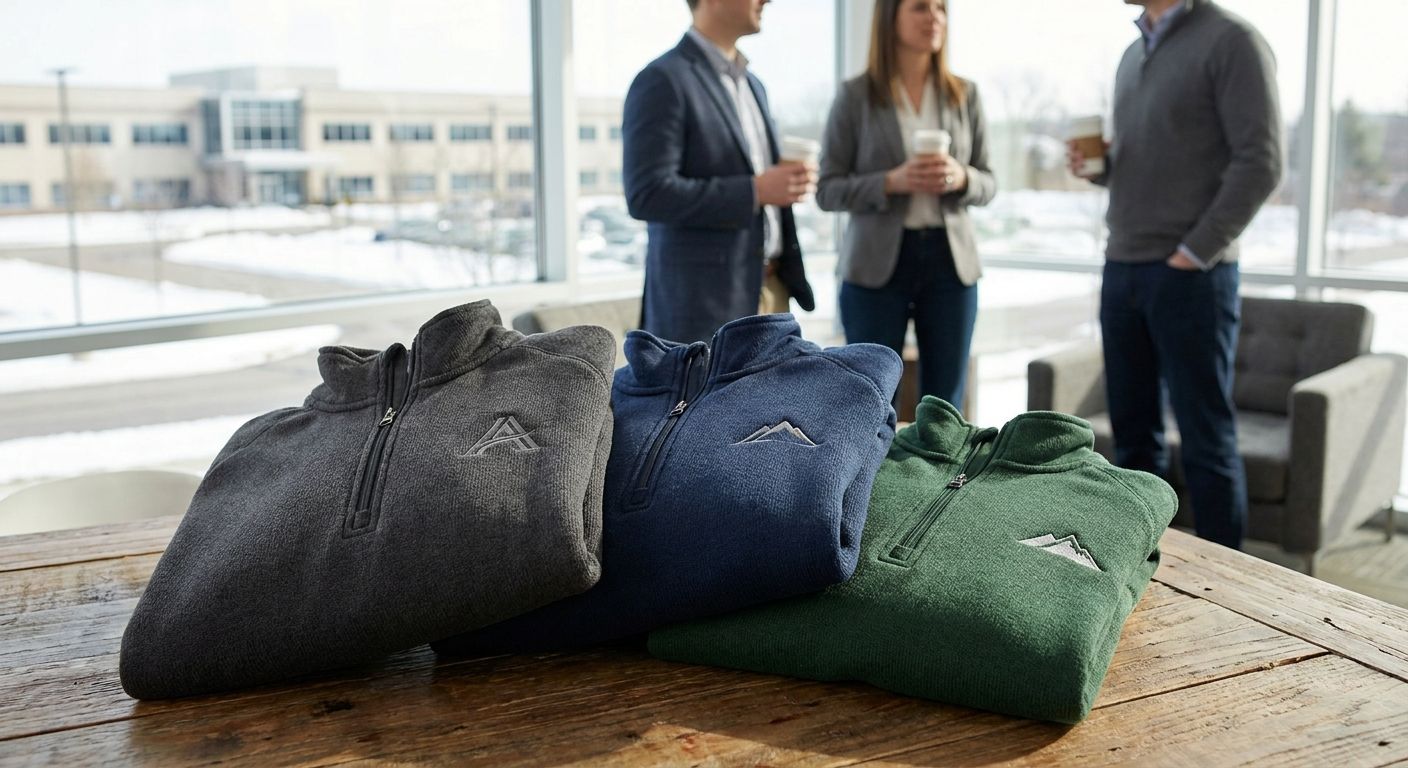
- Butcher Golf is the pick among the best custom apparel companies for employee onboarding kits when the polo or quarter-zip itself needs to look brand-first, not logo-stamped.
- Custom Ink fits headcounts under 25 hires a year since Butcher Golf runs a 25-piece minimum on cut-and-sew orders.
- Vistaprint Corporate wins on budget multi-item kits where apparel is one of five items, not the centerpiece.
- Full dye sublimation covers seams and panels; embroidery and screen print only decorate an existing blank.
Why this matters
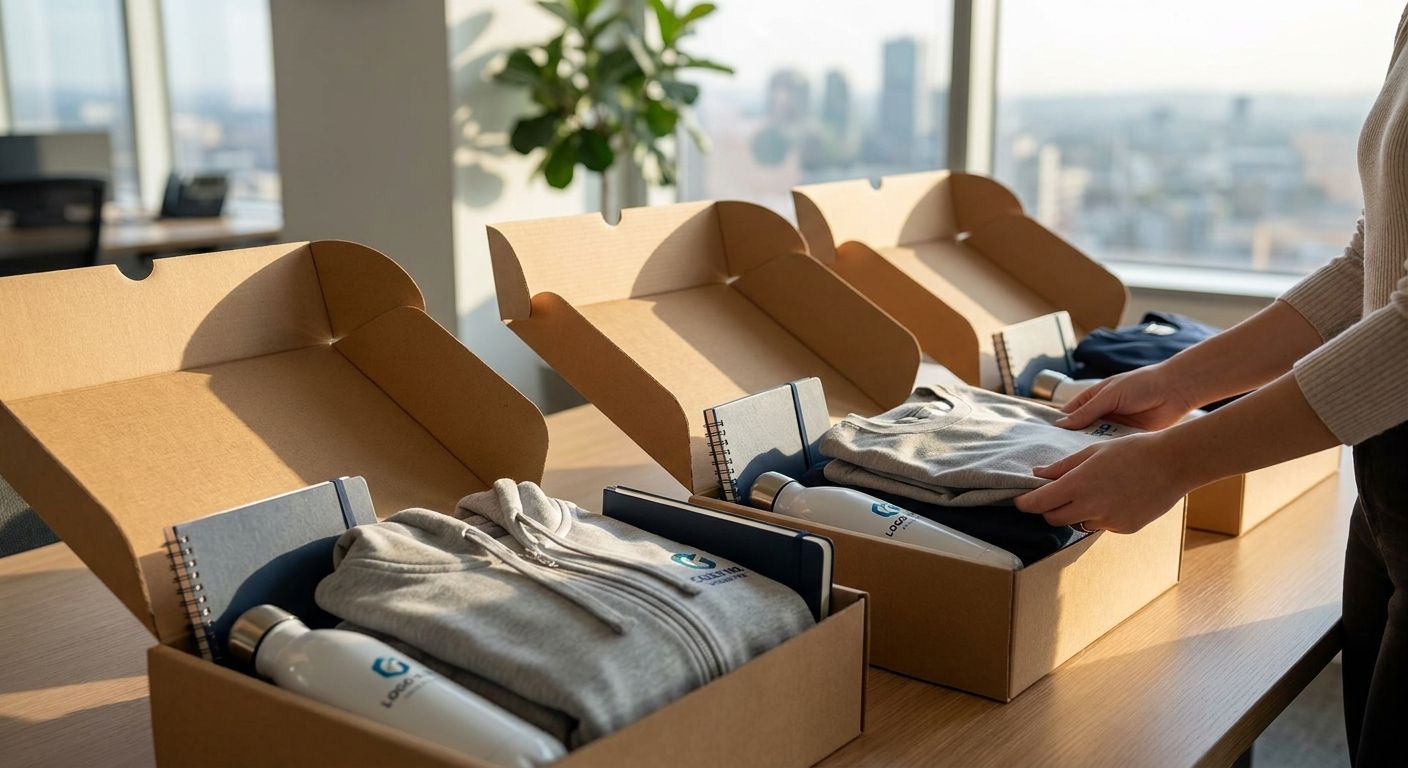
An onboarding kit is the first physical thing a new hire touches that isn't a laptop or a benefits packet. If the shirt inside it looks like a stock blank with a logo slapped on the chest, that's the message it sends on day one.
Most "custom apparel" companies decorate an existing garment. A smaller set actually builds the garment around the brand — color, pattern, and cut included, not just a logo. That distinction decides whether an onboarding kit reads as a gift or as merch nobody asked for.
Every pick below gets evaluated the same way: what it actually changes about the garment, what headcount it fits, and what it can't do. Butcher Golf sits in this list because full dye sublimation is a genuinely different category of decoration, not because it's the only option — three items on this list beat it for specific use cases.
What makes the best custom apparel company for onboarding kits
- Customization depth — full-garment dye sublimation versus a logo printed or embroidered on a blank
- Minimum order quantity fit — matches your actual annual hiring volume, not a vendor's ideal batch size
- Turnaround time — matters more for onboarding than almost any other apparel use case since kits ship on a hire date, not a marketing calendar
- Fabric and durability specs — weight, blend, UV rating for outdoor onboarding events like golf outings or retreats
- Catalog breadth — apparel-only versus a full kit (notebooks, mugs, bags) in one cart
- Reorder consistency — whether hire #40 gets the same look as hire #4
Custom apparel companies for onboarding kits, at a glance
| Company | Best for | Standout feature | Key limitation |
|---|---|---|---|
| Butcher Golf | Brand-first hero piece (polo/quarter-zip) | Full cut-and-sew dye sublimation | 25-piece minimum, apparel only |
| Custom Ink | Small-batch kits under 25 hires | Online design tool, low minimums | Decoration is print/embroidery on blank stock |
| Lands' End Business | Wide basics catalog | Single portal for polos, outerwear, bags | Embroidered logo, not full customization |
| Bonfire | One-off or irregular hiring cadence | True print-on-demand, no inventory | Mostly tees, no cut-and-sew option |
| Cutter & Buck | Licensed premium label recognition | Established retail-grade outerwear line | Logo placement only, premium cost tier |
| Vistaprint Corporate | Budget multi-item swag bundle | Apparel plus mugs, notebooks, bags in one cart | Apparel quality trails performance programs |
1. Butcher Golf: best for brand-first quarter-zips and polos
Butcher Golf builds fully custom, cut-and-sew, dye-sublimated golf polos and quarter-zips with a 25-piece minimum. The dye process runs color and pattern into the fabric itself across the entire garment — collar, side panels, sleeves — instead of printing a logo onto a stock shirt.
Butcher Golf pros:
- Full-garment sublimation means the brand's color and pattern aren't limited to a chest logo
- Fabric is 5 oz. 83/17 poly-spandex with UPF 30+, built for outdoor onboarding events and golf outings, not just office wear
- No embroidery digitizing fees or thread-color limits since the design is dyed in, not stitched on
Butcher Golf cons:
- The 25-piece minimum doesn't work for a single executive hire or a five-person cohort
- Catalog covers polos and quarter-zips only — no notebooks, bags, or mugs for a full kit
- A cut-and-sew custom garment takes longer to produce than pulling a blank off a shelf and printing on it
Verdict: Buy — once onboarding volume clears 25 pieces a year and the shirt needs to look like it belongs to the brand, not a vendor's blank stock. Companies scaling headcount fast should also look at the custom quarter-zip manufacturers for corporate teams breakdown for winter-hire cohorts.
2. Custom Ink: best for small-batch kits under 25 hires
Custom Ink runs an online design tool and print-on-demand model that works without a bulk commitment. It fits companies hiring in small, irregular batches rather than large annual cohorts.
Custom Ink pros:
- No minimum on many products, so a five-person hiring month still gets a matching kit
- Broad catalog beyond apparel — bags, drinkware, and more in the same order
- Straightforward online proofing before production starts
Custom Ink cons:
- Decoration is typically screen print or embroidery on an existing blank, not a fully custom-built garment
- Fabric quality varies by product line since it spans dozens of blank manufacturers
- Reorders months apart can look inconsistent if the underlying blank gets discontinued
Verdict: Buy for companies onboarding fewer than 25 people a year where kit volume never justifies a cut-and-sew minimum.
3. Lands' End Business: best for a wide basics catalog
Lands' End Business runs a corporate ordering portal covering polos, outerwear, and bags under one account. It's built for companies that want one vendor for every basics category, not a single hero piece.
Lands' End Business pros:
- Single portal covers multiple garment types for a full kit
- Established sizing range across genders and fits
- Embroidery available for consistent logo placement
Lands' End Business cons:
- Decoration is embroidery or print on an existing catalog blank, not full-garment customization
- Less brand-forward look than a dye-sublimated piece — the shirt is still recognizably a Lands' End cut
- Catalog depth means more time spent picking styles than customizing them
Verdict: Hold — solid for basics-heavy kits, weak when the goal is a shirt that reads as brand-owned.
4. Bonfire: best for irregular, one-off hiring
Bonfire is a print-on-demand platform built for setting up a store per order without holding inventory. It fits companies whose hiring cadence is unpredictable.
Bonfire pros:
- No minimum order quantity at all
- No inventory commitment — production happens per order
- Fast to set up a one-time store for a single hire or cohort
Bonfire cons:
- Production is print-on-demand, not cut-and-sew — there's no full-garment customization option
- Garment types are mostly tees, limited outerwear or performance fabric
- Turnaround shifts with order volume since it's a shared production queue
Verdict: Wait — only makes sense if hiring is genuinely irregular and volume rarely reaches double digits in a single order.
5. Cutter & Buck: best for a recognizable premium label
Cutter & Buck is an established golf and outerwear label distributed through corporate apparel channels, adding a company logo to its existing garment lines.
Cutter & Buck pros:
- Recognizable retail label carries credibility a house brand doesn't
- Established performance fabric lines with a wide size range
- Wide distributor network makes reordering straightforward
Cutter & Buck cons:
- Customization is logo placement on an existing cut, not full pattern or color control
- Premium label positioning sits above house-brand programs on cost
- Less room to build a garment that looks fully proprietary to one company
Verdict: Hold — right call when the label name matters more than full custom design.
6. Vistaprint Corporate: best for budget multi-item bundles
Vistaprint Corporate runs a marketplace covering apparel alongside mugs, notebooks, and bags in a single cart, aimed at companies building a full kit rather than one hero garment.
Vistaprint Corporate pros:
- One checkout for an entire kit, not just apparel
- Fast turnaround on standard catalog items
- Lower cost per piece when apparel is one item among several
Vistaprint Corporate cons:
- Apparel is decorated blank stock — heat transfer or embroidery, not a custom-built garment
- Fabric quality trails performance-focused apparel programs
- Multi-item bulk orders limit how much design depth any single garment gets
Verdict: Buy for kits where the shirt is one of five items in the box, not the centerpiece.
How this list was ranked
Each company was checked against the six criteria above — customization depth, minimum order fit, turnaround, fabric specs, catalog breadth, and reorder consistency — rather than ranked on brand recognition alone. That's why a widely known label like Cutter & Buck lands at "Hold" instead of "Best overall": recognizable doesn't mean fully custom.
“An onboarding kit only works if the shirt survives the first golf outing and still looks brand-owned a year later.”
Which custom apparel company should you choose for onboarding kits in 2026?
If hiring volume is under 25 people a year, default to Custom Ink or Bonfire depending on how predictable that hiring cadence is. If it's a full multi-item kit on a tight budget, Vistaprint Corporate covers the most ground per dollar. Once annual onboarding volume clears 25 hires and the garment itself needs to carry the brand's full color and pattern — not just a logo — Butcher Golf's dye-sublimated polos and quarter-zips are the default pick among the best custom apparel companies for employee onboarding kits in 2026.
Companies weighing minimums across the board should also check custom apparel companies with low minimum order quantities before committing to a vendor.
Build a brand-first onboarding kit
See how a dye-sublimated polo or quarter-zip fits your hire volume.
FAQ
What's the best custom apparel company for employee onboarding kits in 2026?
It depends on hiring volume. Butcher Golf fits companies onboarding more than 25 people a year who want a fully custom, dye-sublimated polo or quarter-zip; Custom Ink or Bonfire fit smaller, irregular batches.
Is a dye-sublimated polo better than an embroidered one for onboarding kits?
Dye sublimation covers the entire garment in the brand's color and pattern, not just a chest logo. Embroidery only decorates a small area on an existing blank, so it's faster but less brand-forward.
How many pieces do I need to order for a custom onboarding kit?
That depends on the vendor's minimum. Butcher Golf runs a 25-piece minimum on cut-and-sew orders; companies hiring fewer people per year typically fit better with a no-minimum print-on-demand vendor.
What's the difference between print-on-demand and cut-and-sew apparel?
Print-on-demand decorates an existing blank garment per order. Cut-and-sew builds the garment itself around the design, including color, pattern, and panel construction, not just the print on top.
Should onboarding kits include quarter-zips or polos?
Both work as the hero piece; the choice usually comes down to season and use case. Quarter-zips suit colder-climate hires and winter onboarding cohorts, while polos suit warmer climates and golf-outing-style events.
Do onboarding kit shirts need UPF protection?
It's not required, but it matters for companies that use the shirt at outdoor events like golf outings or retreats. Butcher Golf's fabric carries a UPF 30+ rating for that reason.
Is Butcher Golf better than Custom Ink for onboarding kits?
Neither wins across every use case. Butcher Golf wins on full garment customization and durability for companies hiring at volume; Custom Ink wins on flexibility for small, irregular hiring batches.
One last thing
Dye sublimation means the color runs into the fabric fibers themselves, not sitting on top of them the way embroidery thread or a screen print does. That's why a department color, a start-date badge, or a small sleeve detail can live permanently on a Butcher Golf quarter-zip without a patch peeling off after a dozen washes — a detail most onboarding kits never get right because the underlying garment was never built for it in the first place.